Jamaica Market, Right there, where memory comes into bloom
- MMMESA
- Nov 10, 2025
- 4 min read

At Jamaica Market, life and death cross paths amid mounds of marigolds, pan de muerto, and the kind of laughter that comes back home.
I could say that Día de Muertos in Mexico is one of the few truly universal celebrations. For me, it’s the one immovable date of the year: the day I set aside, without hesitation, to be with my family



This day asks something of me: presence. It’s impossible to keep memory from catching fire. We remember those who are gone with a natural ease no other date achieves. We cook a special meal, full of the dishes they loved in life. At home we make tamales, we buy a cake (my grandmother’s birthday was November 1), and amid laughter, aromas, and conversations about everything and nothing, it feels as if a part of her is here again.


The altar is the heart of the celebration. It stands for continuity as much as memory: a way to invite those who are no longer here to share the house, the table, and life once more. Every object carries its own symbolic weight. Choosing a photograph, lighting a candle, trimming the flowers, or setting the bread on the tablecloth are ways of looking again at those we love. In that simple domestic act, something powerful happens: we’re able to pause, make peace with the past and with death, and sit at the table with them.


The season of the dead marks a threshold. The air shifts, the light fades a little earlier, and an almost invisible atmosphere seems to invite introspection. It’s a subtle reminder that another cycle is coming to an end, and that there’s no better way to close it than by celebrating those we love who are gone but who, in some way, remain among us.
Within this weave of gestures and memories, an essential character appears: the Jamaica Market. In these days it transforms into a vibrant stage where flowers, fruit, papel picado, sugar skulls, and the glances of strangers who meet under a shared purpose all cross paths: to honor someone. Mountains of cempasúchil light the half-lit aisles, flooded with their unmistakable scent.

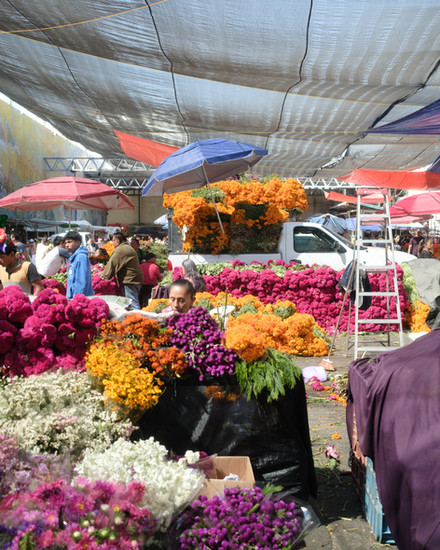



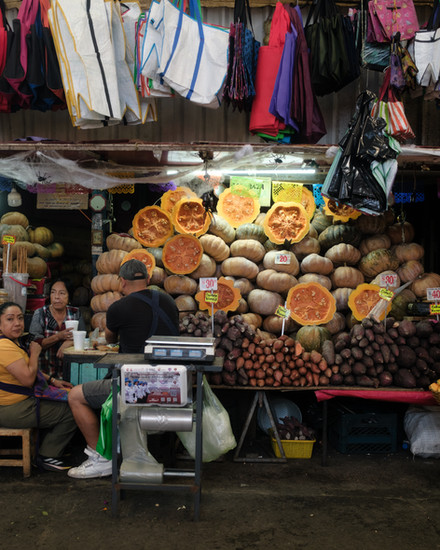


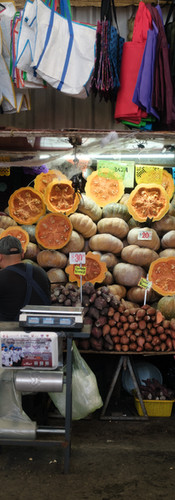
Walking through Jamaica at this time of year is an act of belonging. You don’t go only to buy flowers; you go to reconnect with something deeper. An invisible web emerges that links the living and the dead through memory and ritual. Among the most emblematic blooms, pumpkins appear too, from the traditional castilla to the American varieties that have already become part of the visual landscape of these days.


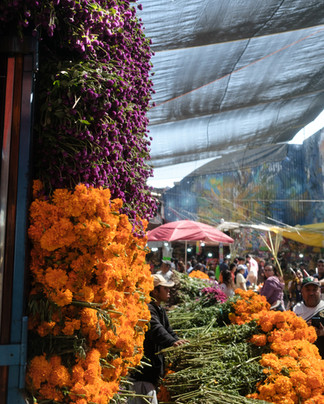
Amid the bustle and the season’s energy, the market keeps its own rhythm. Some stalls adjust their offerings to accompany the festivity; others stick to their daily routine. That coexistence between the ordinary and the extraordinary defines Jamaica, a living place where tradition expands without losing its essence.





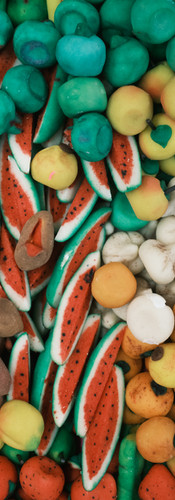
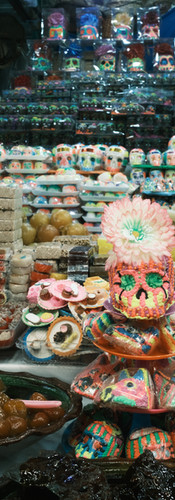
These days, stalls that once sold only dried chiles now add sugar skulls and papier-mâché figures; tlachichis and incense burners mingle with seasonal fruit. Arches and garlands of orange tissue paper cover the shops without erasing the market’s familiar textures. The air gathers guava, piloncillo, firewood, and charcoal, while traditional sweets, candied pumpkin and honeyed sweet potato, share space with vendors of cooked agave who stroll the aisles with a smile.




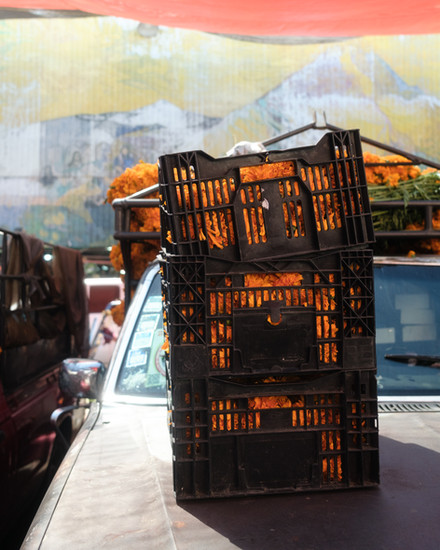
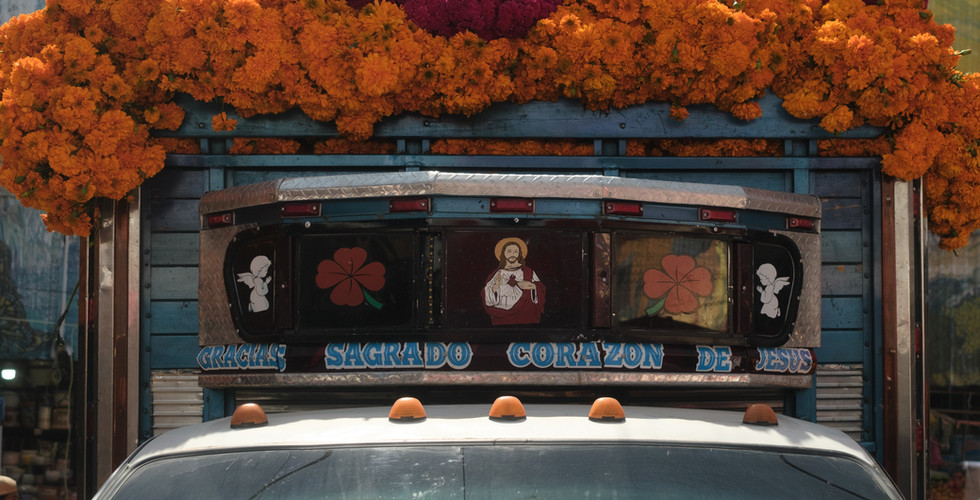
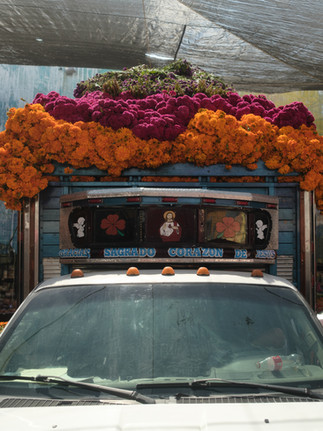
In the parking lot, trucks loaded with flowers arrive from Atlixco, Tlaxcala, the State of Mexico, Tláhuac, and the canals of Xochimilco for the traditional romería. For a week they transform the everyday scenery: stalls stretch outward, aisles narrow, and thousands of people search for the detail that will bring their ofrenda to life. Outside the aisles, tubular structures lined up side by side reshape the market’s urban landscape.
Among alfeñiques—sugar paste figures painted in fluorescent colors—incense burners, candleholders, and clay tlachichis, you’ll find laser-cut papel picado, costumes, and makeup inspired by global Halloween. At some stalls, photos are printed on the spot. Everything happens at once, like a natural extension of daily life that finds its most visible rhythm in the festivity.


In the midst of it all, Mexican ingenuity stands out: in barely eight square meters, a complete bakery appears, with ovens, worktables, and shelves full of Oaxacan ánimas and pan de muerto dusted with sugar and cinnamon.


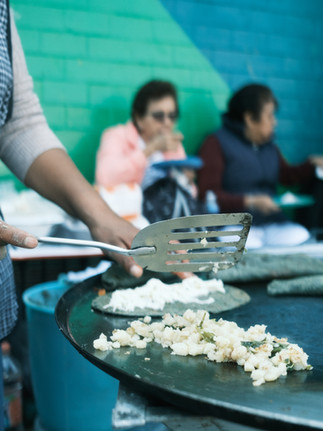
Even with all these comings and goings, the synergy between the permanent market and the itinerant stalls flows naturally. Nothing interrupts its everyday beat: Lucy keeps kneading and turning out gorditas, tlacoyos, and quesadillas; Gaby goes on serving green-chorizo and cecina tacos; Óscar and his team offer fruit and honey with the same cheer, and Marisol floods her stand with the colors of the garden. The market remains the same and different all at once; a place that renews itself without ceasing to feel familiar, always ready to invite us to wander and lose ourselves in its aisles.

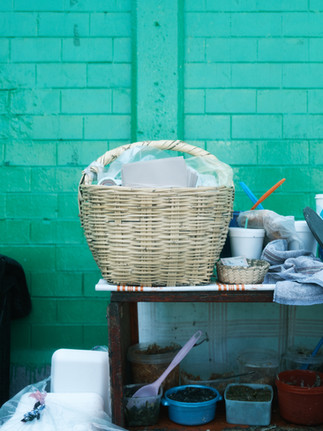


As the season of the dead draws to a close, the market stays awake. The flowers lose some of their intensity, cempasúchil leaves a yellow trail on the damp floor, and the scent of copal mingles with that of fresh fruit. The aisles recover their usual rhythm, but a luminous calm remains in the air, a recent memory. Everyone who passes through its doors carries a fragment of that passage between life and death. Jamaica stays alive, alert, waiting for the next season when it will once again transform and welcome the next wave of visitors.


Comments